
There was a time when luxury was relatively easy to recognise. It came with a certain address, a certain label and, often, a certain amount of excess.
Now the most interesting expressions of it are harder to spot.
They are found in access to somewhere guests have never been. In a building transformed for one night and returned by morning as though nothing happened. In an artist normally seen by thousands performing to a room of two hundred. In knowing that something has been conceived for these people, in this place, and will never exist in quite the same way again.
Luxury can still be gloriously extravagant. We have no interest in making everything quiet, beige or restrained. But extravagance on its own is easy. The harder thing is creating something genuinely rare.
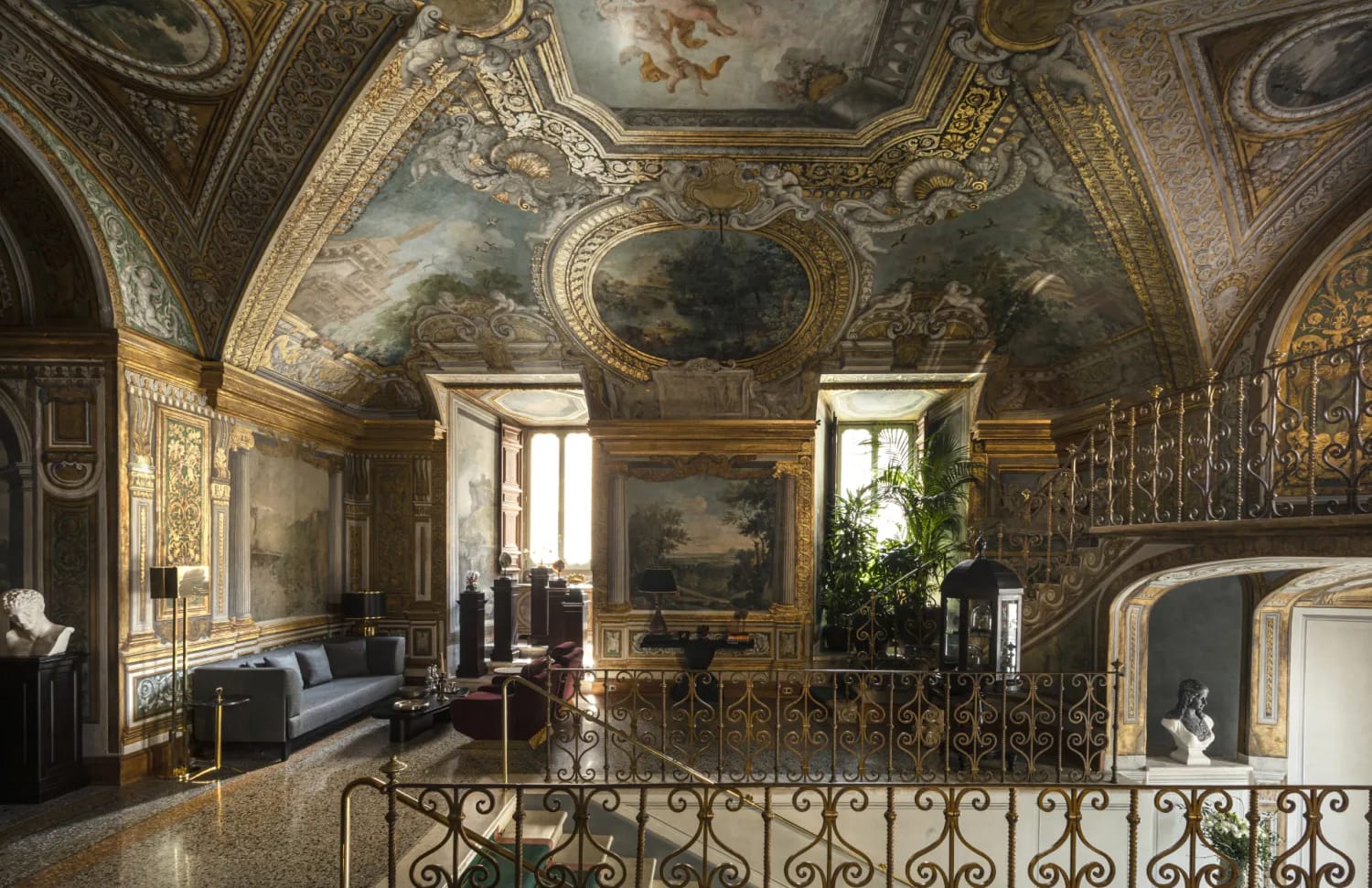
Access over excess
There is a particular thrill in being somewhere you know you would not ordinarily be.
A historic building after its doors have closed. A private house never previously used for an event. A piece of a city temporarily made private. Sometimes the space is spectacular before anything is added. Sometimes it is almost nothing until imagination and production begin to work on it.
Rarity changes the way guests behave. They stop simply arriving at a party and start discovering it.
That sense of discovery is difficult to manufacture, which is precisely why it matters.
Personal, not personalised
Personalisation has become one of the most overused words in our world.
Initials on a menu are personalised. An evening that could only ever belong to the people giving it is personal.
The distinction matters.
The starting point is not a trend or a folder of other people's parties. It is the hosts themselves: how they entertain, what makes them laugh, where they travel, what they eat, the music they love, the things they would never choose and the things their friends will immediately recognise as them.
A memory might become a menu. A favourite place might influence a room without being recreated literally. A private joke might become a moment only half the guests understand.
Not everything needs explaining. In fact, some of the best details are almost invisible to everyone except the people they were created for.
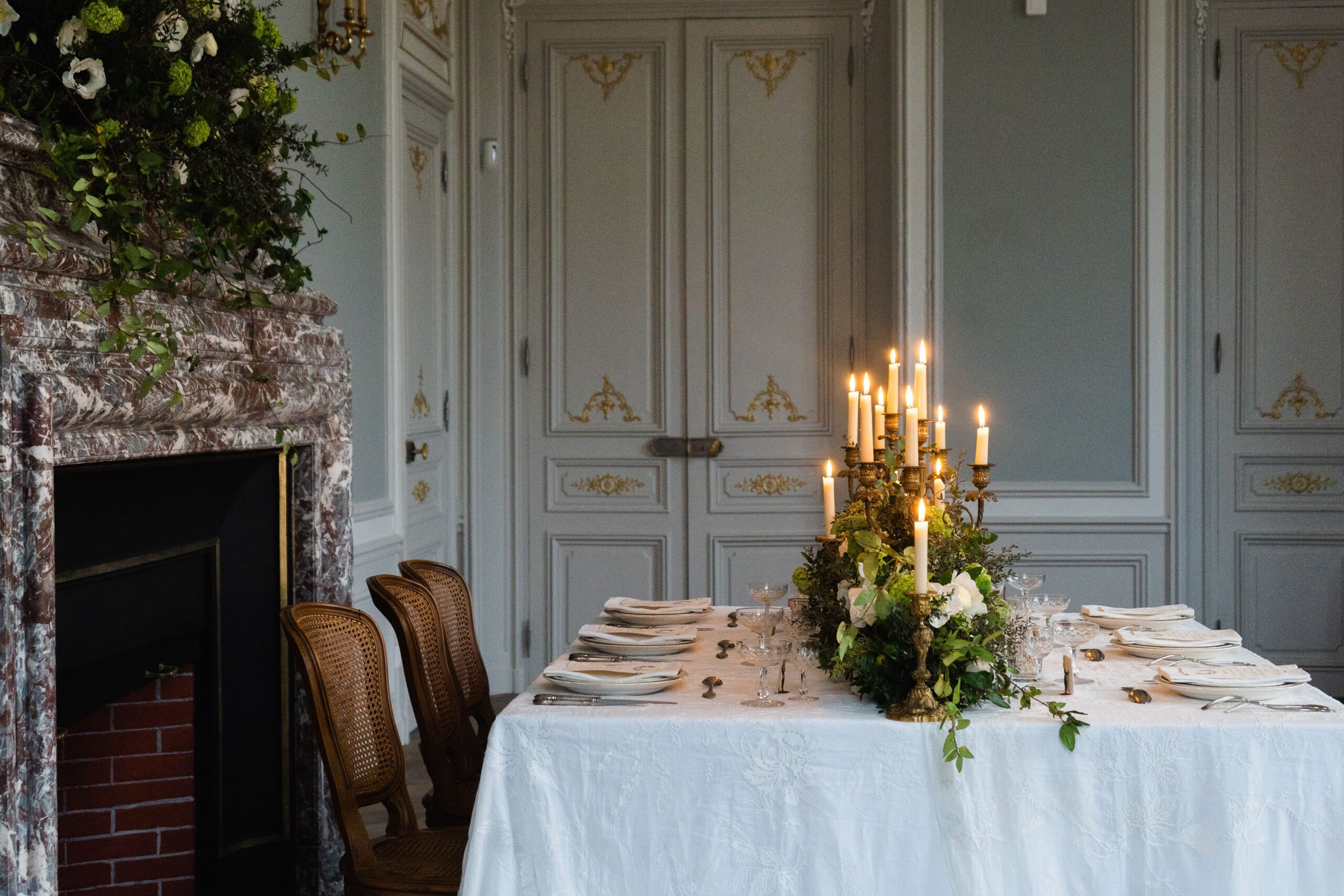
The invisible work
There is another form of luxury that guests rarely see: making the seemingly impossible feel entirely effortless.
It is transforming a building that has never hosted a dinner into a world that appears to have always existed. It is bringing an extraordinary artist into a room without a whisper of what is about to happen. It is changing the atmosphere, the lighting, the music and the pace of an evening almost imperceptibly, so guests find themselves somewhere entirely different without remembering the moment it changed.
A glass is replenished before it is empty. A car appears without being called. Two hundred plates arrive beautifully and simultaneously. A door that has remained closed all evening suddenly opens to reveal something nobody was expecting.
Behind those moments can sit months of work, hundreds of people, complex production and an extraordinary number of moving parts. The guest should feel none of it.
That is the difference.
True luxury is not simply impeccable service. It is anticipation at every level: understanding the room before it fills, reading the guests as the evening evolves and knowing when to accelerate the pace, when to hold something back and when to create the moment nobody saw coming.
The greater the event, the less visible its machinery should become.
Guests should never see how hard something was to achieve. They should simply wonder how on earth it happened.
Originality has become rare
We have never had greater access to beautiful things. Within seconds we can see inside the world's best hotels, houses, weddings, restaurants and parties.
The inevitable consequence is familiarity.
We have seen the flower ceiling. The champagne tower. The mirrored aisle. The perfectly symmetrical table photographed from above.
Originality does not mean being strange for the sake of it. It means resisting the temptation to reproduce somebody else's successful idea simply because it photographed well.
The question is not, “How do we recreate this?”
It is, “What could we do that belongs only here?”
How did it feel?
Beautiful photographs matter. We create extraordinary rooms and we want them recorded beautifully.
But a party cannot be designed for the photograph at the expense of the people standing inside it.
Guests remember the intake of breath when a door opens. The first note of a song nobody expected to hear live. The intimacy of a room lit almost entirely by flame. The sudden arrival of food at exactly the moment everyone needs it. The conversation that continued long after dinner should have ended.
Those memories rarely come from adding more.
They come from knowing what matters, and having the confidence to make everything else disappear.
Perhaps that is the new luxury: not having everything, but experiencing something that could not have happened anywhere else, for anyone else, on any other night.