
A beautiful party is relatively easy to create.
A party people are still talking about years later is much harder.
You can have exquisite flowers, extraordinary food, the right room and a formidable guest list and still find yourself at 11.15pm wondering why the evening never quite took off.
Because parties have rhythm.
The best ones are choreographed so carefully that nobody notices the choreography.
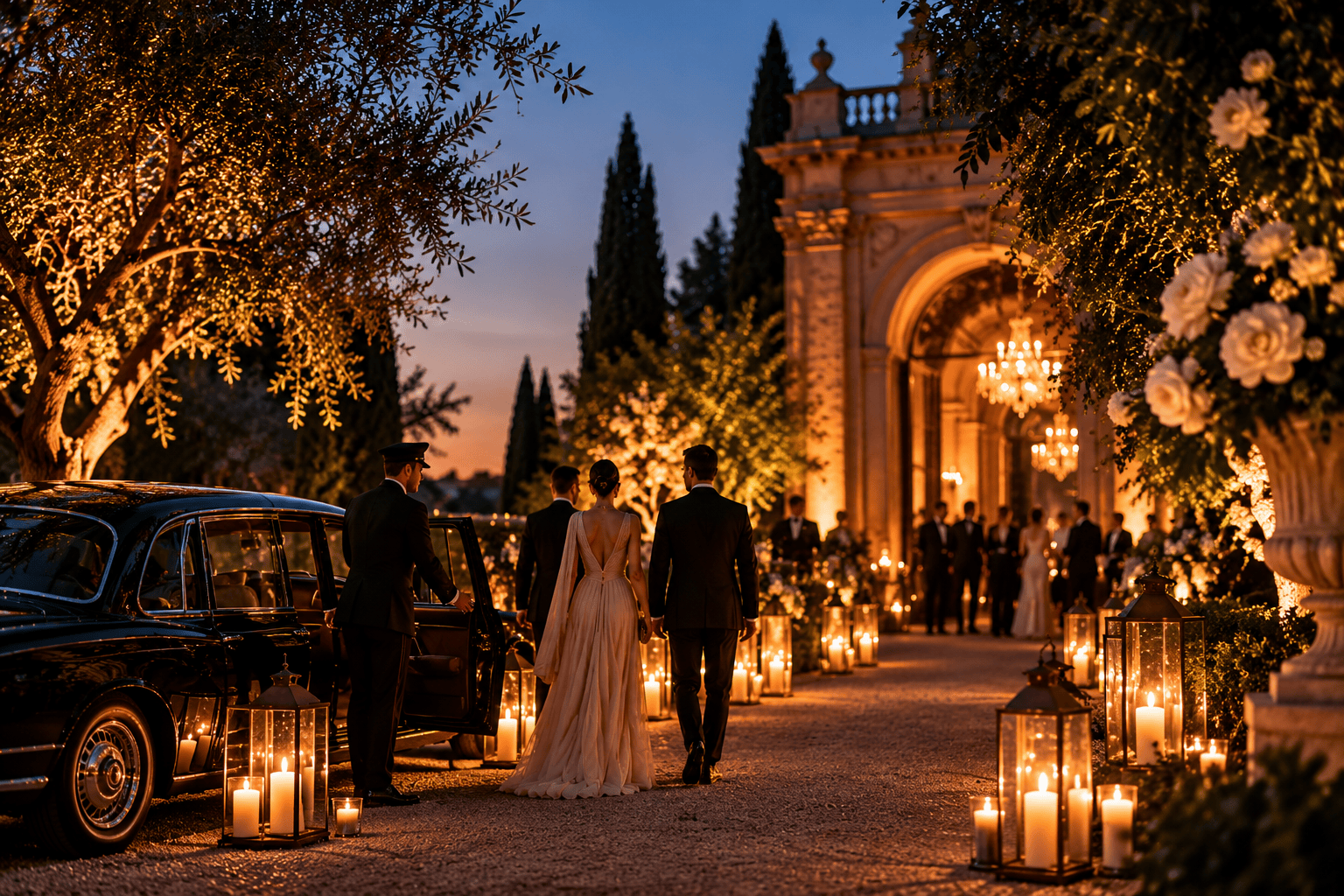
The party starts before the room
The mood is established long before the first drink.
How guests arrive, what they hear, who meets them, whether they wait, whether they know where to go and what happens in the first thirty seconds all matter.
Nothing punctures anticipation faster than a queue under bright lights while somebody searches for a name on a guestlist.
Arrival should feel effortless. Better still, it should create curiosity.
Never show everything at once
One of the quickest ways to flatten an evening is to reveal all of it immediately.
The installation, the band, the bar, the dance floor, the view - all within the first ten minutes.
Where is left to go?
A great party accumulates.
Perhaps the first room is elegant and deliberately restrained. Dinner has its own world. Then the lights change, another door opens, a stage appears where there was no stage, or a room guests thought they understood becomes something else entirely.
The evening should feel as though it is gathering momentum by itself.
Of course, it isn't.
Know when dinner is over
Dinner can be magnificent. It can also kill a party.
There is a point - different for every crowd - when everyone has eaten enough, listened enough and is ready for the next thing.
Miss it and the room becomes heavy.
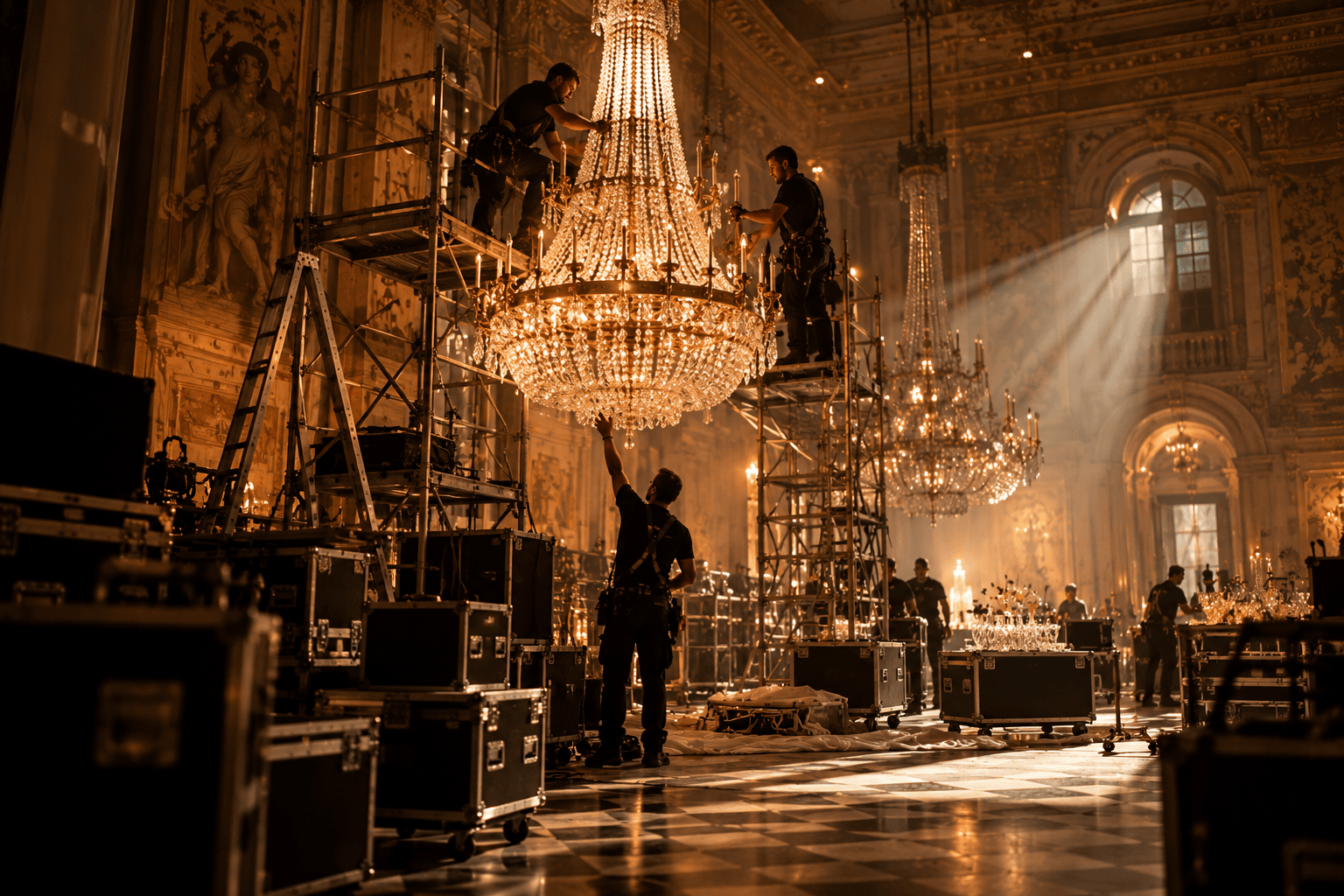
Timing dinner is not a catering decision. It is a production decision involving service, speeches, music, lighting, entertainment and the temperament of the guests.
Sometimes the most sophisticated choice is not another course or another speech. It is to get everybody out of their chairs.
Design for these people
Not every crowd wants the same night.
A 21st, a 50th, an anniversary and a wedding can all be spectacular and should feel completely different.
Know the room before it fills.
Do they dance? What do they listen to when nobody is choosing music for them? Will they stay at the table for four hours? Do they want to be surprised or simply looked after brilliantly?
The best parties do not impose fun. They remove everything that gets in its way.
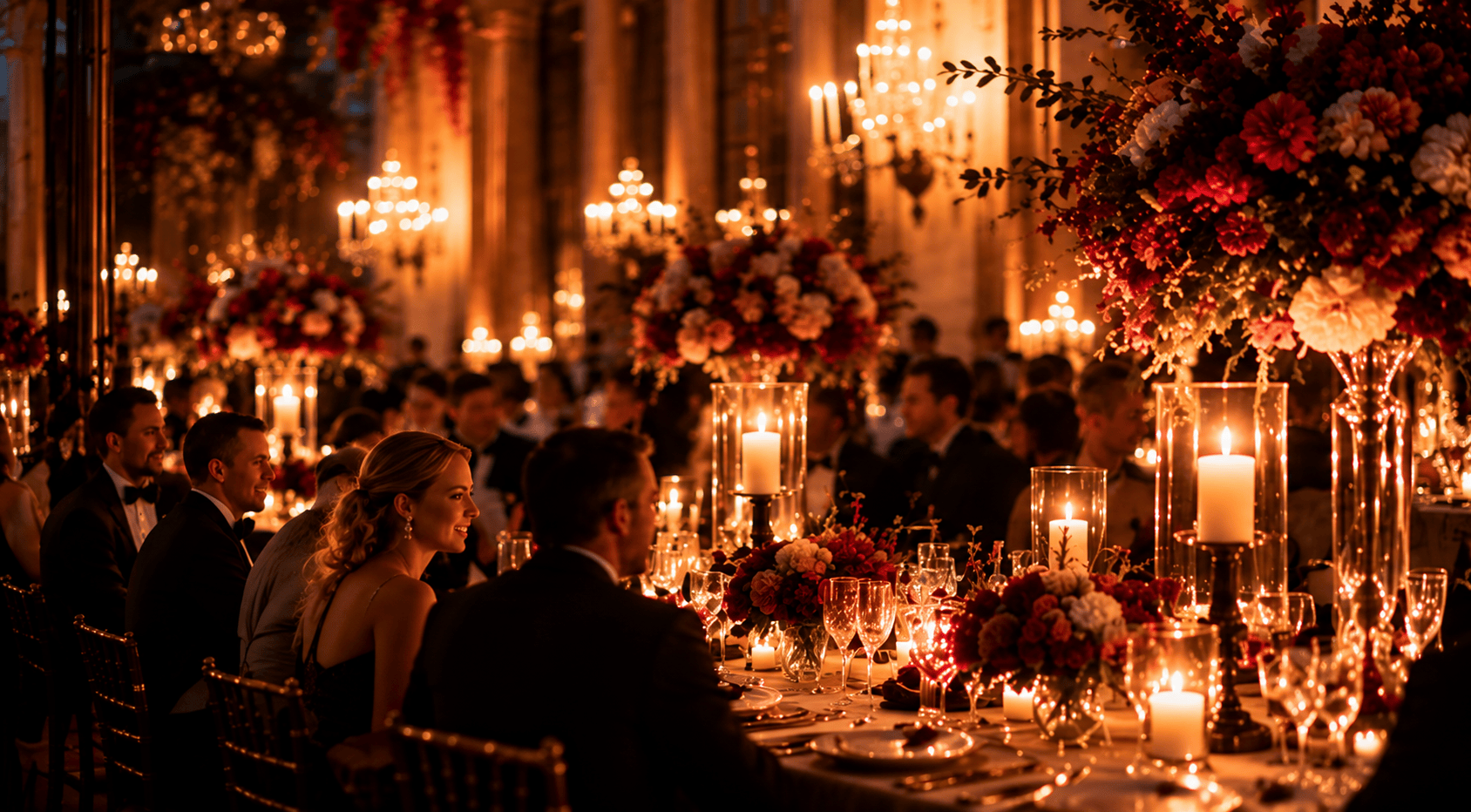
Entertainment needs a reason
More entertainment does not make a better party.
The right moment does.
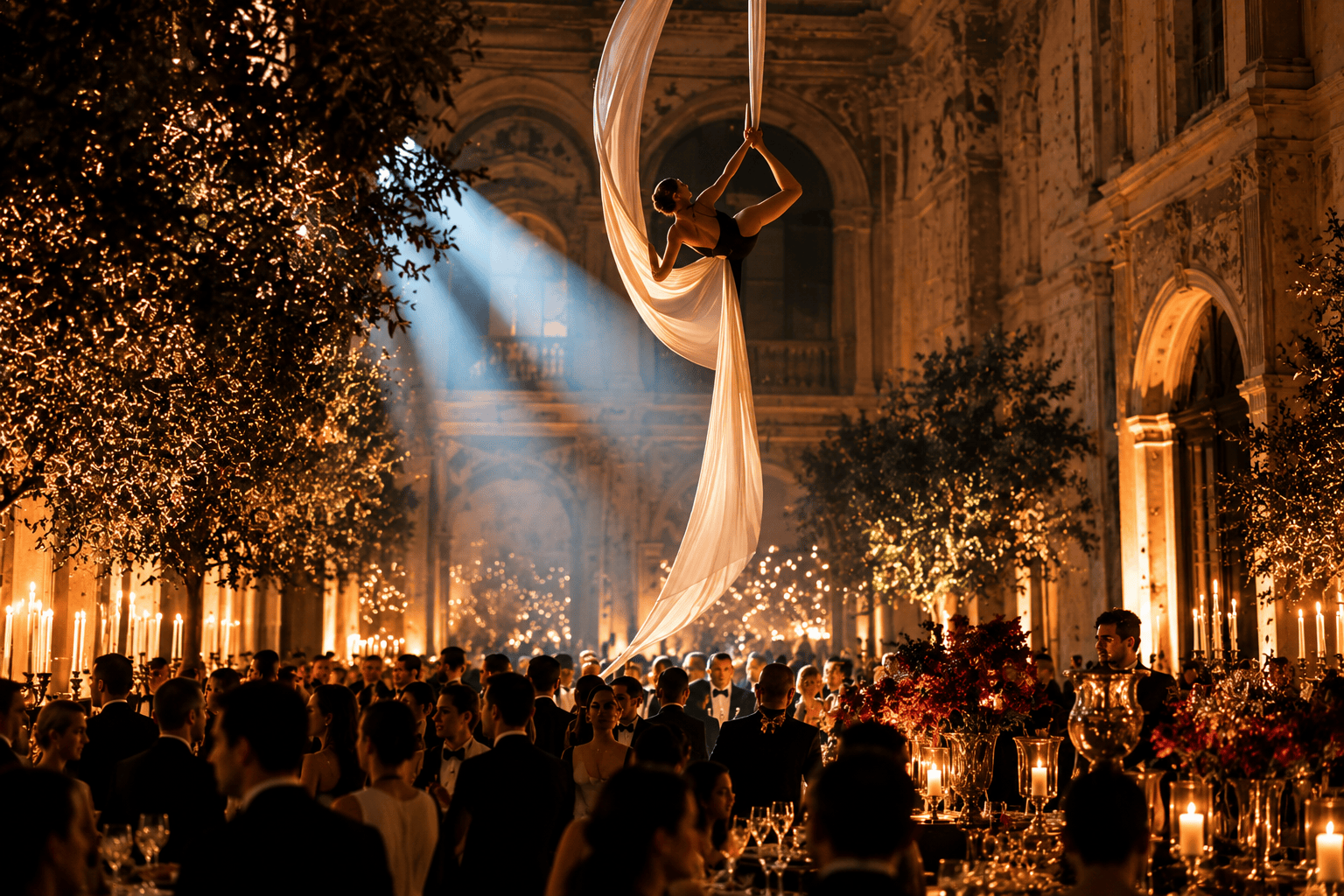
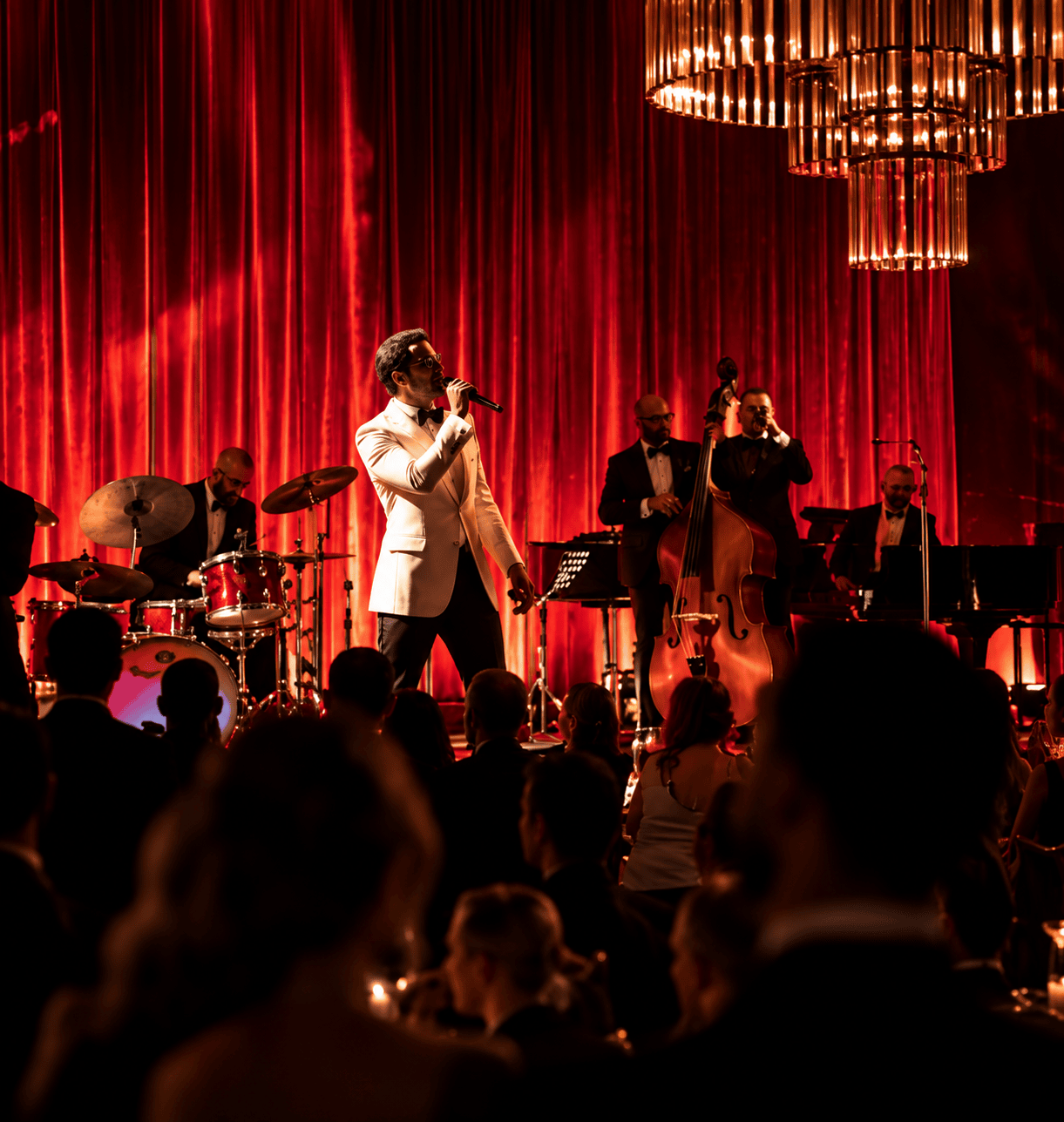
A performance should change the temperature of the room, reveal something about the hosts or take the evening somewhere it could not otherwise go.
Sometimes that means a world-famous artist. Sometimes it is something nobody has heard of before.
What matters is the reaction.
The greatest reveals feel obvious afterwards: of course it was that song, that person, that moment.
Beforehand, nobody should see it coming.
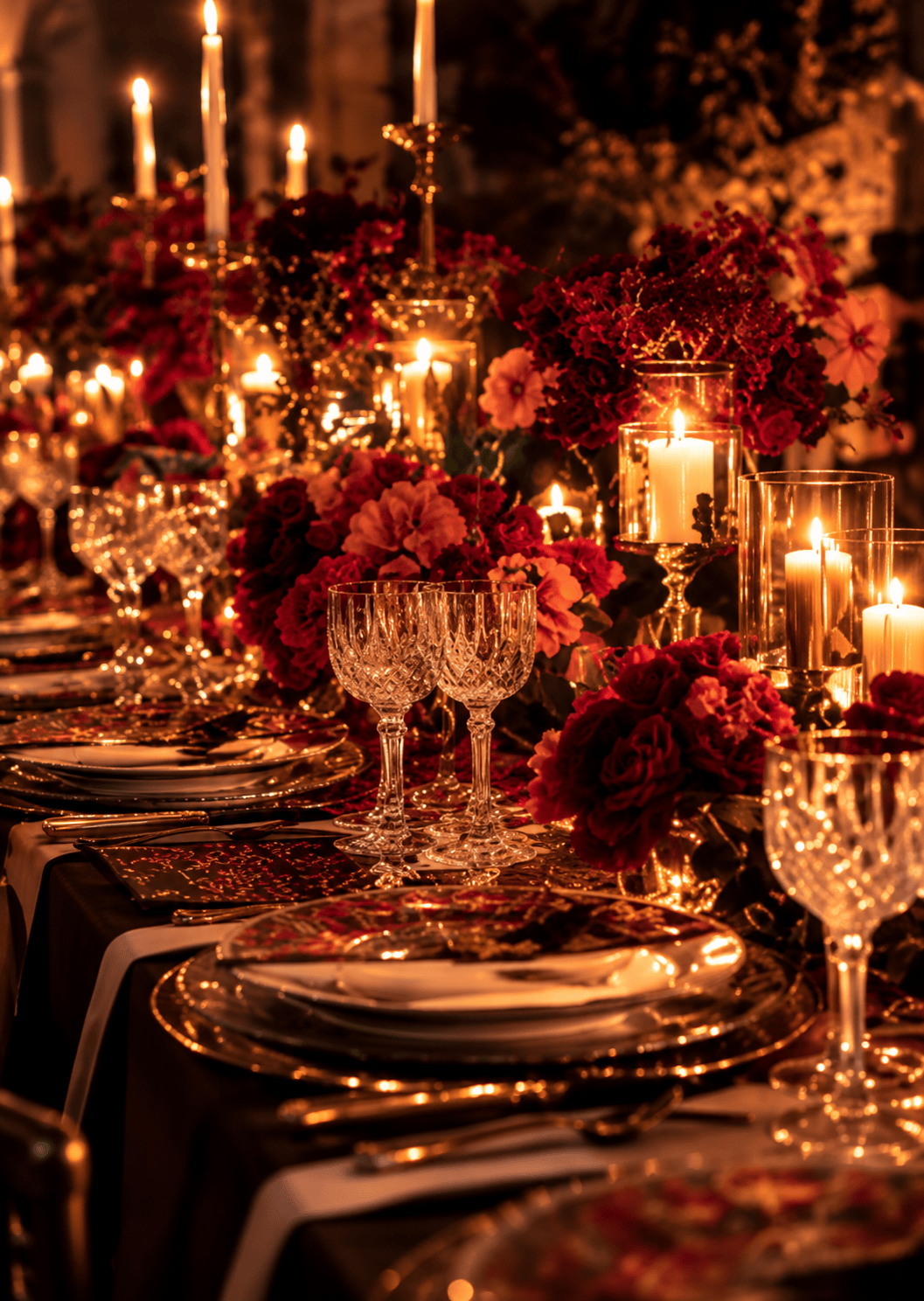
Feed the night
There is a point in almost every great party when everyone becomes hungry again.
Do not wait for them to notice.
Late-night food should arrive with confidence and very little ceremony. Hot, salty, nostalgic, delicious.
This is rarely the moment for tweezers.
Luxury at 1am might be a perfectly made burger, a bowl of pasta, exceptional charcutier platter or something the host has loved since childhood.
Finish properly
A party should not gradually expire.
It should finish.
Think about the last song, the last drink, the coats, the cars and what guests experience in the final ten minutes.
If the night is continuing elsewhere, that transition deserves the same thought as the first arrival.
Because a great party is not a collection of impressive ingredients.
It is control of pace, anticipation and energy - until the point at which the room takes over and you no longer need to control it at all.
That is when it becomes a party.